
Quick Answer: Recent spikes in New Mexico PNM electricity bills are primarily driven by two factors: 1) Phase 2 of an approved rate increase that took effect on April 1, 2026 (adding ~$6.23/month for average usage), and 2) Record summer heat pushing air conditioning units into higher, more expensive energy usage tiers (over 450 kWh blocks).
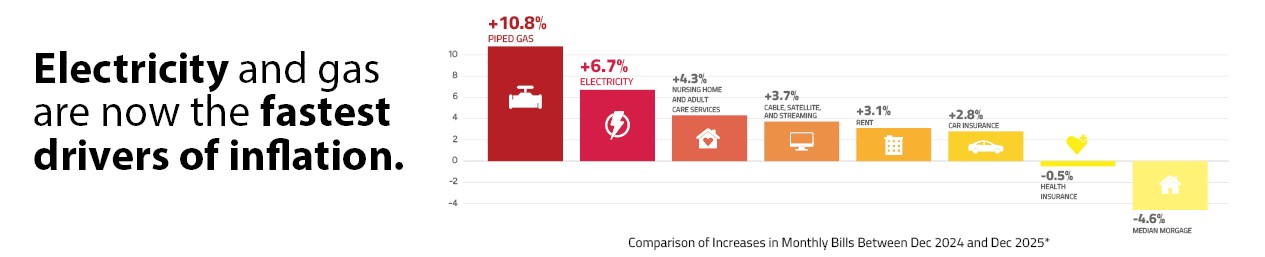
If you’ve spent any time on local Reddit threads, Nextdoor, or Facebook groups recently, you’ve seen the complaints: Albuquerque, Santa Fe, and surrounding area residents are seeing drastically higher electric bills this summer.
Here is a breakdown of why your Public Service Company of New Mexico (PNM) bill is likely higher, how the summer tiered rates work, and how to spot errors on your statement.
Key Factors Driving Higher PNM Electric Bills
- April 1, 2026 Rate Increase: PNM implemented the second phase of a PRC-approved rate hike. The average residential customer sees a base increase of roughly $6.23 per month before accounting for higher summer consumption.
- Extreme Heat & Higher Humidity: Record-breaking summer temperatures force air conditioners to run longer cycles. Added humidity requires AC units to pull moisture from the air, accelerating kilowatt-hour (kWh) consumption.
- Higher Summer Tiered Rates: PNM charges elevated rates per kWh during peak summer months (June, July, and August).
Understanding PNM Tiered Summer Rates (Rate 1A)
PNM uses a tiered block pricing system for most residential customers. The more electricity you use during summer billing cycles (June–August), the higher your rate per kWh becomes.
| Consumption Tier (kWh) | Summer Rate (June–August) | Non-Summer Rate (September–May) |
|---|---|---|
| Block 1: First 450 kWh per Month | $0.0896783 / kWh | $0.0896783 / kWh |
| Block 2: Next 450 kWh per Month (451–900 kWh) | $0.1486546 / kWh | $0.1282683 / kWh |
| Block 3: All Additional kWh per Month (>900 kWh) | $0.1994661 / kWh | $0.1701214 / kWh |
| *Note: A fixed Customer Charge of $11.93 per bill applies regardless of season or energy usage. | ||
How to Read Your PNM Bill for Errors
Before assuming your usage skyrocketed, check these key sections of your bill:
1. Check for Estimated Meter Reads
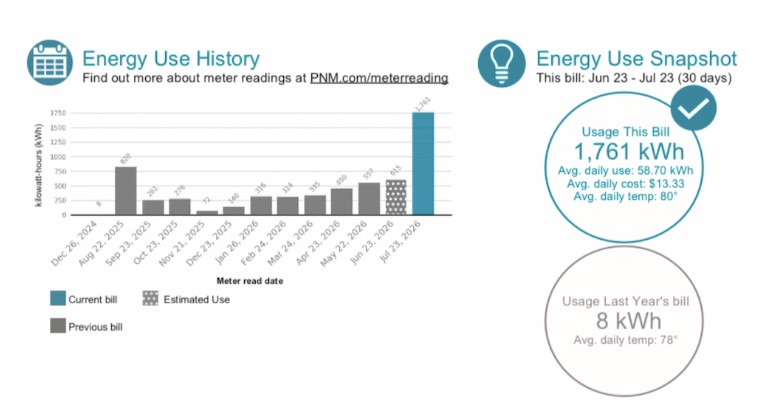
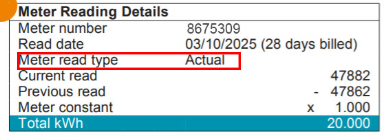
Look at the Energy Usage History chart on the front of your bill. If the previous month’s bar is unusually low or has polka dots, your meter wasn’t likely read in person, and PNM applied an estimated read. If the estimate was too low, the next actual read will adjust for it, making your current month’s bill look unnaturally high. You can also see on the back of your bill whether a meter reading was taken or estimated.
2. Inspect Variable Charges & Riders
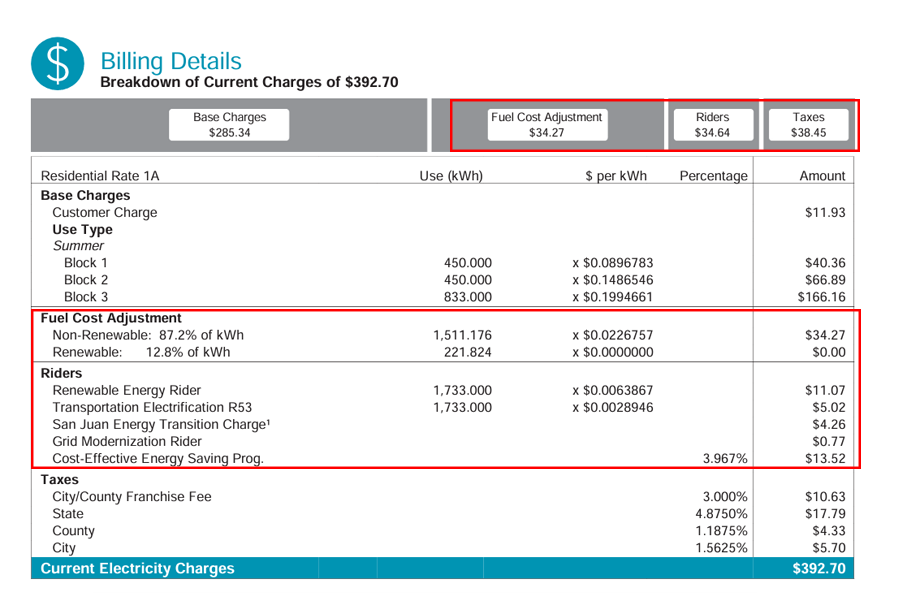
The back of your bill breaks down fixed and variable charges. As your kWh usage increases, proportional charges like the Fuel Cost Adjustment, Renewable Energy Rider, and local taxes will rise automatically and can add up significantly.
Frequently Asked Questions (FAQ)
Why is my electric bill high if I didn’t change my habits?
An appliance in your home may be struggling. A failing refrigerator compressor or an AC unit with dirty air filters, faulty capacitors, or a refrigerant leak will draw significantly more power to achieve the same cooling output.
What is the San Juan Energy Transition Charge on my bill?
This charge recovers costs associated with the early retirement of the San Juan Generating Station coal plant under New Mexico’s Energy Transition Act (ETA) as PNM moves towards 100% carbon-free power.
Do I still get a PNM bill if I have solar panels?
Yes. Solar customers still pay the basic monthly Customer Charge (currently $11.93), mandatory grid connection fees, riders, and applicable city/county franchise taxes even if net electricity purchases are zero. This allows rooftop solar homes to participate in PNM’s net metering program and receive credit for their excess solar production.
Lowering Your PNM Electric Bill
Between rising utility rates and hotter summers, electricity costs in New Mexico will likely remain a challenge. Adding home solar panels is one of the most direct ways to protect against PNM rate increases.
Scheduling a free solar consult is the first step, and it’s designed to be simple. We review your energy use, look at your roof, and talk through how solar could work for your home. It’s an educational conversation, not a sales pitch, so you can get clear answers and decide what makes sense for you.