
Energy Storage Services
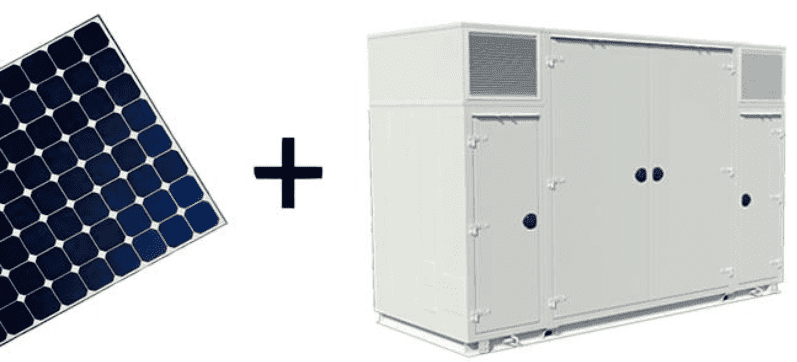
Save More and Power Through Outages with Commercial Solar Energy Storage
We offer stand-by energy, off-grid and microgrid solutions for commercial projects.
Combining solar and battery storage can cut monthly energy charges dramatically by addressing utility demand charges, providing an alternative to gas generators for standby-power during grid power outages, or can provide self-sufficiency for applications where grid-power is not an option (off-grid). Solar and energy storage provides flexibility and prudent solutions for businesses, municipalities and organizations with the right energy profile.
Learn how Positive Energy Solar’s expertise and knowledge can help customize a solar and storage solution to meet your organization’s energy needs. Call us today at (505) 344-0071.
How Energy Storage Works - Lowering Peak Electricity Costs
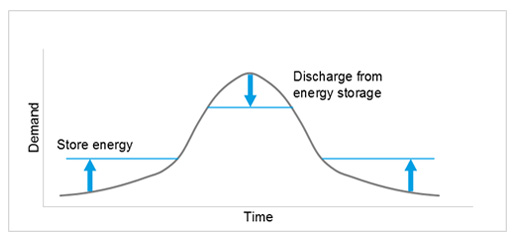
Demand charges usually apply to commercial and industrial customers that pay time-of-use rates and at certain bill sizes.
Depending on how much electricity your business uses, and how your business uses electricity throughout the day, your monthly electricity bill may have two parts: 1) Energy charges—for the total amount of electricity you use 2) Demand charges—for “peak usage”
Demand charges are based on the highest 15-minute average usage recorded on the demand meter within a given month. If your facility tends to use a lot of power over short periods, your demand charges will comprise a larger part of your bill (typically between 30 and 70 percent). If you use power at a more consistent rate throughout the month, your demand charges will generally be a smaller part of your bill.
The curve created by the up and down movement of your monthly energy bills is called the load profile. Businesses with a lot of fluctuation have a “spiky” load associated with drastic shifts throughout the day in how much energy they are consuming. Storage helps reduce that spike.

Step 1: Solar Charges Your Batteries
During daylight, your solar system uses batteries to store excess energy it generates.
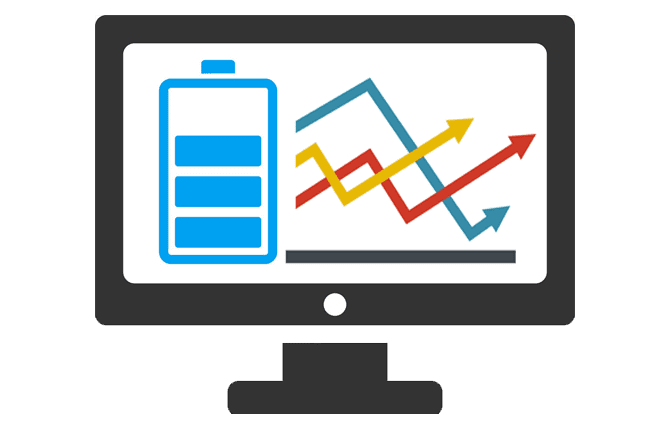
Step 2: Software Monitors Power Consumption
Intelligent software coordinates between solar and storage, optimizing how and when energy is utilized.
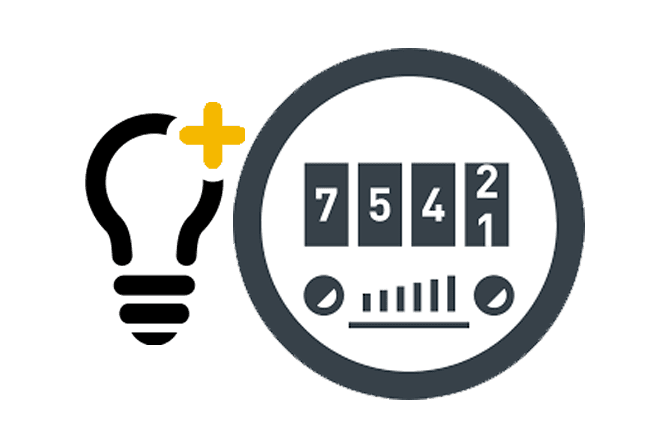
Step 3: Batteries Release Energy
Stored energy can be released:
- When rates are high
- To keep supply at a consistent level and avoid peak demand charges
- To stay below a certain energy use threshold and avoid moving into a higher rate tariff
- In the event of a grid outage, ensuring you continue to have power
Generate Positive Energy!
We are committed to providing the highest level of service to our clients – We’ve built our reputation on it, and it’s what has made us a leader in solar power in New Mexico.